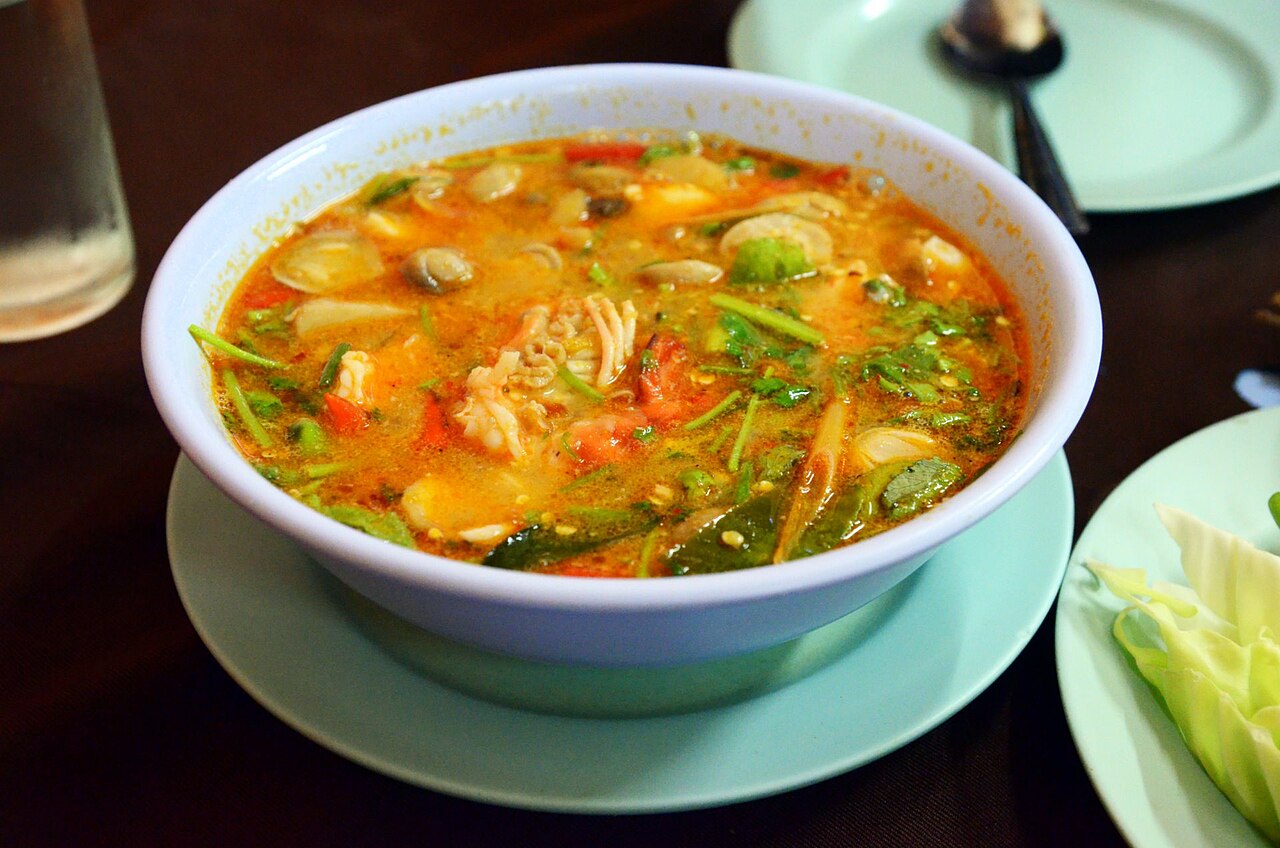
As the temperatures drop and the air carries a crisp chill, our palates instinctively crave warmth and comfort. While many turn to classic chicken noodle or tomato soup, there's another vibrant, deeply satisfying contender that deserves a place in your culinary repertoire: Hot and Sour Soup. This beloved Chinese classic is more than just a meal; it's a sensory experience, a comforting hug in a bowl, and for many, a go-to remedy for a bothersome cold or simply a case of the winter blues. Forget the often-gloppy, one-note takeout versions; true hot and sour soup, made fresh in your own kitchen, is a revelation of balanced flavors and delightful textures.
The Allure of Hot and Sour Soup: A Culinary Balancing Act
At its heart, hot and sour soup is a masterclass in flavor equilibrium. It’s a dish where robust savory notes meet a zesty tang and a gentle, yet assertive, warmth. Originating from Chinese cuisine, this soup has transcended cultural boundaries, becoming a staple on restaurant menus and in home kitchens worldwide. It's the kind of dish you find gracing lavish banquet tables, comforting you on a quiet weeknight, or even served as a quick, fortifying lunch.
What makes it so captivating? It’s the dynamic interplay that hits every part of your palate simultaneously. The "hot" doesn't necessarily mean scorching, but rather a comforting warmth that spreads from a blend of white pepper and sometimes chili oil. The "sour" provides a bright counterpoint, cutting through richness and awakening your taste buds with its vibrant acidity. Beyond these namesake elements, a good hot and sour soup also delivers layers of umami, savory depth, and intriguing textural contrasts, making each spoonful an adventure.
While often associated with takeout, the true magic of hot and sour soup unfolds when it’s prepared from scratch. Homemade versions offer unparalleled freshness, allowing you to fine-tune the intensity of its signature flavors. You have complete control over the spice, the sourness, and even the viscosity, ensuring it's never too thick or disappointingly bland. This ability to customize is precisely why once you master this recipe at home, those old takeout menus might just gather dust.
Unpacking the Flavors: What Makes Hot and Sour Soup Sing?
To truly appreciate and replicate the iconic flavors of hot and sour soup, it’s essential to understand its core components. Each ingredient plays a vital role, contributing to the symphony of taste and texture that defines this classic dish. If you're looking to unlock bold flavor: the secrets to perfect hot & sour soup, pay close attention to these building blocks.
The Broth: Your Canvas of Flavor
- Chicken Broth: The foundation of most accessible hot and sour soup recipes is a good quality chicken broth. While traditional regional variations might use pork, beef, or lamb broth, chicken provides a universally appealing and neutral base that allows the other flavors to shine. Opt for reduced-sodium broth or homemade stock to control the overall saltiness, which is crucial when adding soy sauce and other seasonings.
The "Sour" Element: Brightness and Balance
- Seasoned Rice Vinegar: This is where the soup gets its distinctive tang. Rice vinegar, also known as rice wine vinegar, is a milder, slightly sweeter vinegar compared to distilled white vinegar. Seasoned rice vinegar takes it a step further, with added sugar and salt that contribute to a more balanced and complex sourness. Its gentle acidity perfectly complements the other bold flavors without overpowering them.
The "Hot" Element: Warmth and Kick
- White Pepper: The traditional source of "heat" in hot and sour soup isn't necessarily fire-engine spicy, but rather an earthy, sharp warmth that permeates the broth. White pepper has a distinct flavor profile, more pungent and less floral than its black counterpart. It's an indispensable ingredient for authentic flavor, though black pepper can be used in a pinch.
- Hot Chili Oil and Red Pepper Flakes: For those who crave a more pronounced spicy kick, hot chili oil and red pepper flakes are your best friends. These additions allow for precise control over the heat level. Chili oil adds a rich, aromatic spice, while flakes provide bursts of concentrated heat. Remember, you can always add more, but you can't take it away, so start conservatively and adjust to your preference.
Umami and Savory Depth: Building Complexity
- Soy Sauce: A cornerstone of Asian cuisine, soy sauce delivers a fundamental layer of umami, adding savory depth and enhancing all the other flavors. As with broth, using reduced-sodium soy sauce helps manage the overall salt content, allowing for a healthier and more balanced dish.
- Mushrooms: Dried shiitake and wood ear mushrooms are traditional, lending an intense earthy aroma and a unique chewy texture. Modern, more accessible recipes often use fresh shiitake mushrooms, which still provide fantastic flavor and a satisfying bite. These fungi are also packed with nutrients, adding a healthy boost to your soup.
- Tofu: Extra-firm tofu is a popular choice for its substantial texture, holding its shape well in the simmering broth. However, culinary freedom is yours when it comes to tofu. Some chefs prefer the delicate, silky texture of softer tofu, which melts beautifully into the soup. If using softer varieties, handle them gently and add them towards the end of cooking to prevent them from breaking apart.
Textural Elements and Thickening
- Bamboo Shoots: These offer a delightful crunch and a subtle, earthy flavor, providing a welcome textural contrast to the softer ingredients.
- Egg Ribbons: A signature visual and textural element, delicate egg ribbons float gracefully throughout the soup. These are created by slowly drizzling beaten eggs into the swirling hot broth, cooking instantly into beautiful, silky strands. It's a surprisingly simple technique that adds elegance and a velvety mouthfeel.
- Cornstarch Slurry: To achieve the characteristic slightly thickened consistency of hot and sour soup, a cornstarch slurry is used. This allows the broth to cling to the ingredients, creating a satisfying richness without being overly gloppy. The key is to add it gradually and stir constantly to prevent lumps.
Crafting Your Perfect Bowl: Tips for Homemade Hot and Sour Soup
Making hot and sour soup at home is not only rewarding but also surprisingly straightforward. Here are some actionable tips to ensure your homemade version surpasses any takeout experience:
- Balance is Key: The beauty of hot and sour soup lies in its equilibrium. Taste as you go! Add vinegar and chili oil incrementally until you hit your sweet spot. Some prefer a sharper sourness, while others crave more heat. Don't be afraid to adjust.
- Master the Egg Ribbons: For those beautiful, ethereal egg ribbons, ensure your soup is at a gentle simmer, not a rolling boil. Slowly drizzle beaten eggs in a thin stream while continuously stirring the soup in one direction. This creates those delicate, feathery strands rather than clumpy bits. It's a fun technique, especially if you have little helpers in the kitchen.
- Prevent Gloopy Soup: When adding the cornstarch slurry, make sure it’s well-mixed with water before adding it to the soup. Add it slowly, stirring constantly, and allow it to come to a simmer to fully activate the cornstarch. You can always add more slurry for a thicker soup, but it's hard to thin it out once it's too thick.
- Ingredient Prep Matters: Have all your ingredients chopped, sliced, and ready to go (mise en place) before you start cooking. This soup comes together quite quickly, and having everything at hand ensures a smooth process.
- Fresh vs. Dried Mushrooms: While dried shiitakes offer a more intense, concentrated flavor (and require rehydration), fresh shiitakes are perfectly acceptable and more convenient. If using dried, soak them in hot water for at least 30 minutes, then slice and reserve the soaking liquid (strained) to add to your broth for extra umami.
- Customize Your Tofu: Don't limit yourself to extra-firm. If you enjoy a melt-in-your-mouth texture, try silken or soft tofu. Just remember to add it towards the very end and handle it gently to prevent it from breaking apart.
- Consider Your Broth: While store-bought chicken broth is convenient, a homemade chicken stock will undeniably elevate your soup's flavor profile. If using store-bought, opt for low-sodium to better control the seasoning.
This comforting bowl is also packed with nutrients and protein, thanks to the wholesome ingredients like mushrooms, tofu, and eggs. It's a wholesome meal that truly hits the spot, whether you’re seeking warmth, fighting off a cold, or simply craving something satisfying and flavorful.
Conclusion
Hot and sour soup is a testament to the power of balanced flavors and comforting textures. It's a dish that warms you from the inside out, offering a delightful interplay of tangy, spicy, and savory notes that dance on the palate. By embracing the art of homemade preparation, you unlock a depth of flavor and customization that takeout simply can't match. So, the next time chilly weather calls for a comforting cure, reach for your apron instead of the phone. Prepare to impress yourself and your family with a steaming, perfectly balanced bowl of hot and sour soup – a true culinary masterpiece that's surprisingly easy to achieve. Your taste buds, and your soul, will thank you for this delicious journey.
